Applitools Eyes: AI Visual & Functional Testing Platform
Applitools Eyes uses Visual AI and GenAI to automate visual, functional, and cross-browser testing, cutting maintenance work and false positives.
Overview
Applitools Eyes is an AI-driven testing platform built to help engineering teams ship reliable software faster by automating the most tedious parts of quality assurance. By combining Visual AI with generative AI and no-code tooling, it dramatically expands test coverage while reducing the manual upkeep typically required to keep test suites healthy. The platform spans visual, functional, API, accessibility, and cross-browser/device testing, giving teams a single system for validating that applications look and behave correctly everywhere they're deployed.
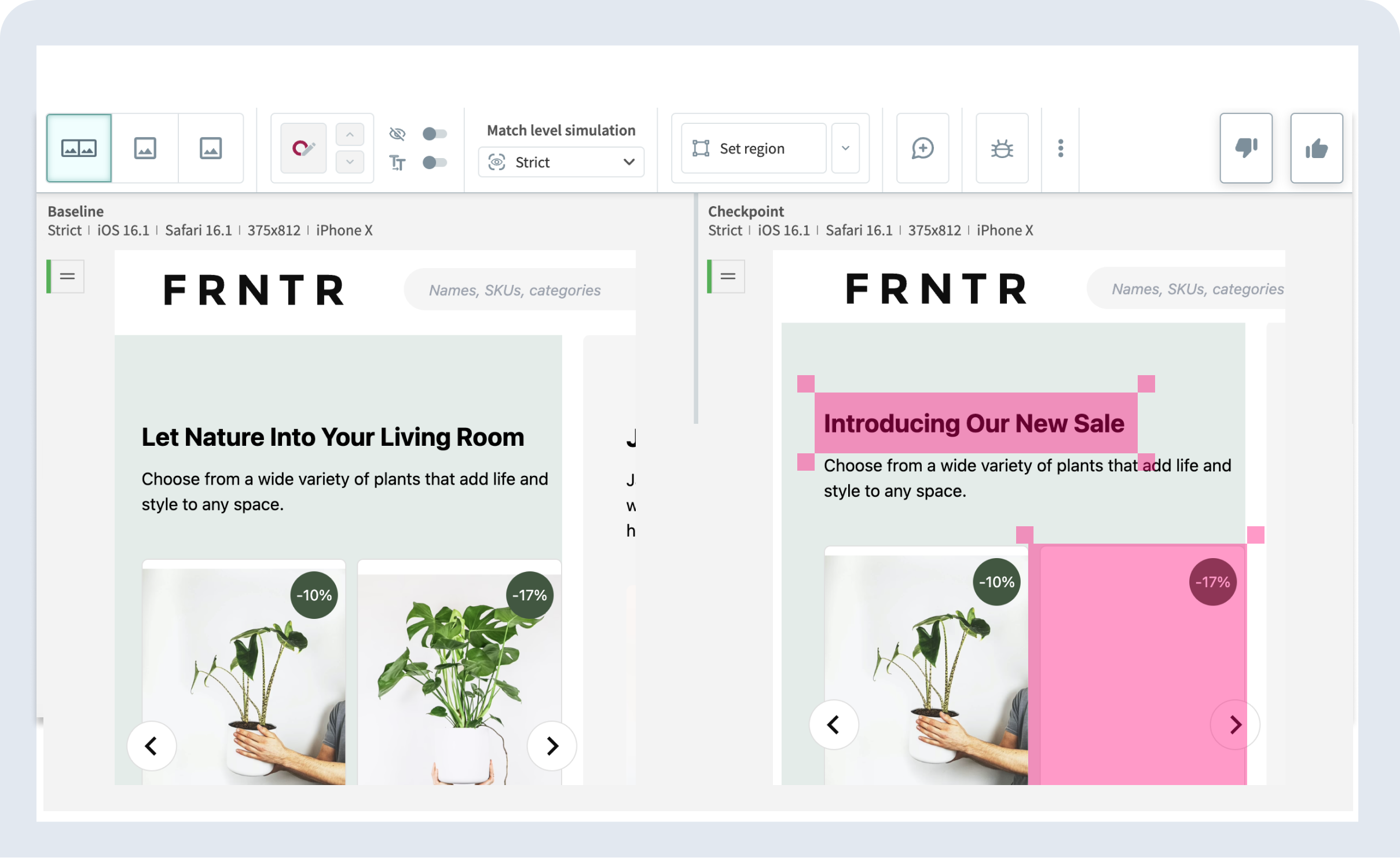
Beyond simple pixel comparisons, Applitools Eyes understands meaningful UI changes versus noise, which means testers spend less time chasing false positives and more time shipping features. Its autonomous test creation and self-healing capabilities keep test scripts stable even as applications evolve, while root cause analysis tools surface actionable insights when something does break. Whether you're a solo developer or part of a large QA organization, the platform scales from free component testing to enterprise-grade orchestration across massive test matrices.
Capabilities & Features
- Visual testing
- Functional testing
- AI testing
- Test automation
- Cross-browser testing
- Accessibility testing
- Regression testing
- End-to-end testing
- Component testing
- API testing
Core Features
- Visual AI-powered testing that detects meaningful UI changes and ignores noise
- Autonomous test creation and self-healing maintenance to reduce script upkeep
- Cross-browser and cross-device testing at scale
- AI-augmented recording and natural language (NLP) test authoring
- Test orchestration for running large suites efficiently
- Root cause analysis and detailed test insights for faster debugging
Use Cases
- Visual testing to maintain UI consistency across browsers and devices
- Functional and regression testing to catch bugs before release
- Cross-browser compatibility testing across multiple environments
- Accessibility testing to ensure applications meet inclusivity standards
- Component-level testing to validate UI states and layouts in isolation
- PDF and document rendering validation
Best For
- Developers
- QA Engineers/SDET
- Test Automation Engineers
- Digital Leadership and Engineering Managers
Pros
- •Visual AI reduces false positives compared to traditional pixel-diff tools
- •Self-healing tests significantly cut down on maintenance overhead
- •Supports a wide range of testing types in one unified platform
- •Codeless recorder and NLP authoring lower the barrier to writing tests
- •Scales from free individual use to enterprise-level concurrent testing
Cons
- •Enterprise-grade concurrency and volume require custom pricing negotiations
- •Starter plans carry a significant monthly cost for smaller teams
- •Learning curve exists for teams new to Visual AI concepts
- •Annual billing commitment required to access lower Starter pricing
How to Use
Start by signing up for a free trial or selecting a plan that matches your testing needs. Use the available SDKs, codeless recorder, or NLP-based test builder to author your first tests without heavy scripting. Connect Applitools to your existing development and CI/CD tools through its integrations for a seamless workflow. Run your tests at scale on Applitools' intelligent cloud infrastructure, then review results using the platform's insights dashboards and root cause analysis to quickly resolve issues.
Frequently Asked Questions
Open in AI Studio
Ask our AI to evaluate if Applitools Eyes fits your specific workflow.
Connect & Contact
Pricing
Applitools offers free tiers for Eyes, Autonomous, and Component testing with limited concurrency and volume, while paid Starter plans begin around $699–$969/month billed annually; Enterprise pricing is custom and scales with concurrent tests and volume.
Pricing data is provided as a summary. Visit the vendor website for full tier details.